McAze logo

General Contractor in Toronto & the GTA

General Contracting

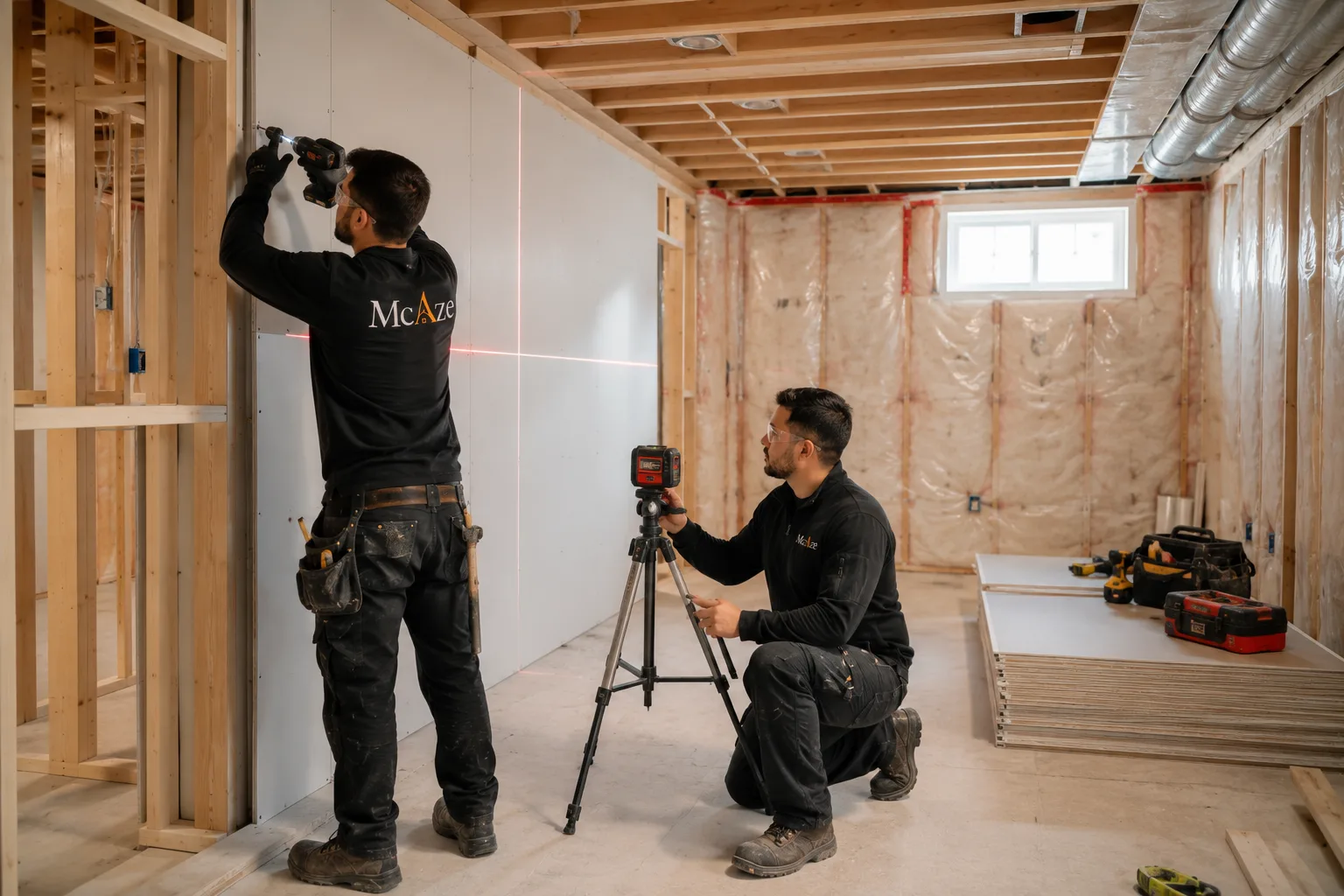
McAze coordinates residential and commercial renovation work from a defined scope through trade sequencing, inspections, finishing and handover, giving owners one organized point of responsibility.

General Contracting — McAze renovation and construction

Planning Guide

What does a general contractor do for a renovation?

A general contractor turns drawings, selections and owner priorities into an executable construction plan. That includes confirming scope, arranging qualified trades, ordering materials, protecting the property, sequencing inspections, documenting changes and checking that each stage is ready for the next one.

McAze provides general contracting for coordinated renovation and improvement projects across Toronto and the Greater Toronto Area. The service can support kitchens, bathrooms, basements, whole-home renovations, additions, commercial interiors and multi-trade repairs. Design, engineering, permits and specialist work are included or coordinated only when identified in the written scope.

The questions below address the issues owners most often need to resolve before hiring a general contractor: cost, estimates, contracts, permits, schedules, subcontractors, insurance, change orders, occupied-home construction, quality control and final handover.


Role and responsibility

What is the difference between a general contractor and individual trades?

An individual trade completes a defined specialty such as electrical, plumbing, HVAC, drywall or tile. A general contractor coordinates how those specialties interact with demolition, structure, inspections, material deliveries and finished surfaces.

That coordination matters because one decision affects several later stages. A plumbing location can change cabinetry; framing affects mechanical routes; waterproofing must be complete before tile; and electrical rough-in must be inspected before walls close.

McAze establishes one project sequence and a clear communication path. The owner still approves important scope, budget and finish decisions, while daily trade coordination is managed through the general contracting process.

Budget planning

How much does a general contractor cost in Toronto?

General contracting cost depends on project size, existing conditions, drawings, permits, access, schedule, material level and the number of coordinated trades. A useful proposal separates visible finishes from demolition, protection, rough-ins, inspections, disposal and project management.

Older buildings and concealed conditions create more uncertainty than a simple finish replacement. Structural changes, service upgrades, asbestos-containing materials, water damage or work in an occupied condominium may require additional investigation and coordination.

McAze prices from a defined scope and explains allowances, exclusions and assumptions. Owners should compare what each proposal actually includes instead of applying one percentage or square-foot rate to unlike projects.

  • Design and permit readiness
  • Demolition and site protection
  • Trade labour and supervision
  • Materials, delivery and disposal
  • Inspections and deficiency correction
  • Allowances, taxes and approved changes

Estimates

What should be included in a general contractor estimate?

A useful estimate identifies the rooms or areas, demolition, construction, trade scopes, materials, allowances, permit responsibilities, cleanup and exclusions. Drawings, schedules or a written specification should be referenced where they control the work.

Ontario advises consumers to obtain written estimates and ensure the selected estimate forms part of the contract. When important items are described only verbally, price comparisons become unreliable and disagreements are harder to resolve.

McAze prepares written scopes with practical decision points. Items that cannot be confirmed before opening walls are identified as assumptions or potential changes rather than presented as guaranteed fixed conditions.

Read Ontario's home renovation consumer guidance

Written agreements

What should a renovation contract include in Ontario?

Ontario states that home renovation contracts worth more than $50 must be in writing. A contract should identify the contractor, detailed work and materials, warranties, total cost, payment terms, schedule, cleanup responsibility and subcontracted work.

The agreement should also explain allowances, owner-supplied items, access, utilities, insurance, delays, change approval and dispute handling. A payment schedule should follow meaningful milestones instead of relying on a large unexplained deposit.

McAze connects the contract to the approved scope and estimate. Legal or financial questions specific to a major project should be reviewed with the owner's qualified adviser.

Review Ontario's contract requirements for renovations

Permits

Who is responsible for building permits on a Toronto renovation?

The property owner remains responsible for ensuring required permits and legal requirements are met, even when the contractor prepares or submits documents on the owner's behalf. Responsibility for drawings, applications, fees and inspections should be written into the contract.

Work that changes structure, plumbing systems, occupancy, fire separations or major building systems may require approvals. Cosmetic work is not automatically permit-free when it is combined with regulated alterations.

McAze identifies the expected approval path before regulated construction begins. Permit work follows the issued drawings, and requested field changes are reviewed before they are built.

Review Toronto building permit and inspection information

Inspections

How are building inspections coordinated during construction?

Inspections occur at specific stages, often before work is concealed. Framing, plumbing, HVAC, insulation, fire separations and final work may each have required checkpoints depending on the permit.

A missed inspection can force finished work to be opened or supported by additional professional reports. Toronto also requires a final inspection to close an issued permit; an open permit can complicate future transactions or applications.

McAze sequences trades around applicable inspections and records deficiencies for correction. Final handover does not substitute for formal permit closure where inspections are required.

See Toronto Building's inspection guidance

Trade coordination

How does a general contractor manage subcontractors?

The contractor defines each trade's scope, confirms prerequisites, schedules access and checks the handoff between stages. Licensed or otherwise qualified specialists are used where the work requires them.

Coordination also includes drawings, product information, site rules, protection and correction of deficiencies. A fast trade start is not useful if earlier measurements, selections or inspections are incomplete.

McAze maintains one sequence for the project and communicates owner decisions through that sequence. This reduces conflicting instructions and helps keep responsibility clear when several trades share the same area.

Insurance and safety

What insurance and safety documents should a contractor have?

Owners should ask for appropriate business liability coverage and confirm any project-specific insurance requirements. Construction safety responsibilities, worker training and workplace rules depend on the project and who controls the site.

WSIB clearances show that a registered contractor or subcontractor is in good standing. The WSIB notes a home-renovation exemption for certain owner-occupied private residences, so the correct requirement depends on the relationship and work rather than a generic claim.

McAze provides applicable documentation for the confirmed scope and coordinates site rules with the owner, property manager and trades before work begins.

Learn about WSIB construction clearances

Construction schedule

How long does a general contracting project take?

Duration depends on design readiness, permits, procurement, demolition findings, inspections and the actual sequence of trades. A small multi-trade renovation may take weeks, while structural or whole-building work can extend across months.

The schedule should identify decisions and long-lead products as well as site labour. Cabinets, windows, specialty fixtures and electrical equipment can affect the critical path even when no one is physically working in the room.

McAze develops a practical sequence and updates it when approved changes or concealed conditions affect the plan. Dates are treated as coordinated milestones, not promises disconnected from permits and material availability.

Change management

How should renovation change orders be handled?

A change order should describe the revised work, price and schedule effect before the change proceeds. It may result from an owner selection, a design revision or a concealed condition that could not reasonably be confirmed earlier.

Ontario guidance says new work or a new price should be discussed and agreed through a signed contract change. Informal verbal requests make it difficult to track budget and responsibility.

McAze documents material changes and obtains approval before proceeding except where immediate action is necessary to protect the property or safety. Photos and site findings support decisions when hidden conditions are exposed.

Living through construction

Can a home stay occupied during a major renovation?

Sometimes, but occupancy must be evaluated room by room. Dust, noise, utility shutdowns, temporary barriers, exits, pets, children and access to kitchens or bathrooms all affect whether staying is practical.

Phasing can preserve parts of the home, but it may extend the schedule and add repeated protection or mobilization. Work affecting the only bathroom, electrical service, major structure or safe exits may require temporary relocation.

McAze discusses occupied-home rules before construction and identifies disruptive stages. Daily cleanup improves control but cannot make active construction equivalent to normal living conditions.

Materials and selections

When should renovation materials be selected and ordered?

Layout-dependent items should be selected early enough to confirm dimensions, rough-ins and lead times. Cabinets, appliances, plumbing fixtures, tile, flooring, doors and lighting can influence work that happens weeks before installation.

Allowances are useful when a final product is not selected, but they should state what the budget covers. An allowance is not a guarantee that every product in a category costs the same or installs without extra work.

McAze uses a selection schedule tied to construction milestones. Products are checked for compatibility, and owner-supplied items are assigned clear delivery and warranty responsibilities.

Quality control

How does a general contractor control renovation quality?

Quality control begins before finishes. Layout, backing, substrate, waterproofing, rough-ins and clearances are reviewed before they are concealed. Manufacturer instructions and approved documents guide installation where applicable.

Checks continue at trade handoffs and final finishing. Deficiencies are more efficiently corrected while the responsible trade and materials are still active on site.

McAze uses site reviews, photographs, measurements, inspection results and a closing deficiency list. Quality is evaluated against the agreed scope, not an undefined expectation introduced after completion.

Commercial work

Can a general contractor manage commercial renovations?

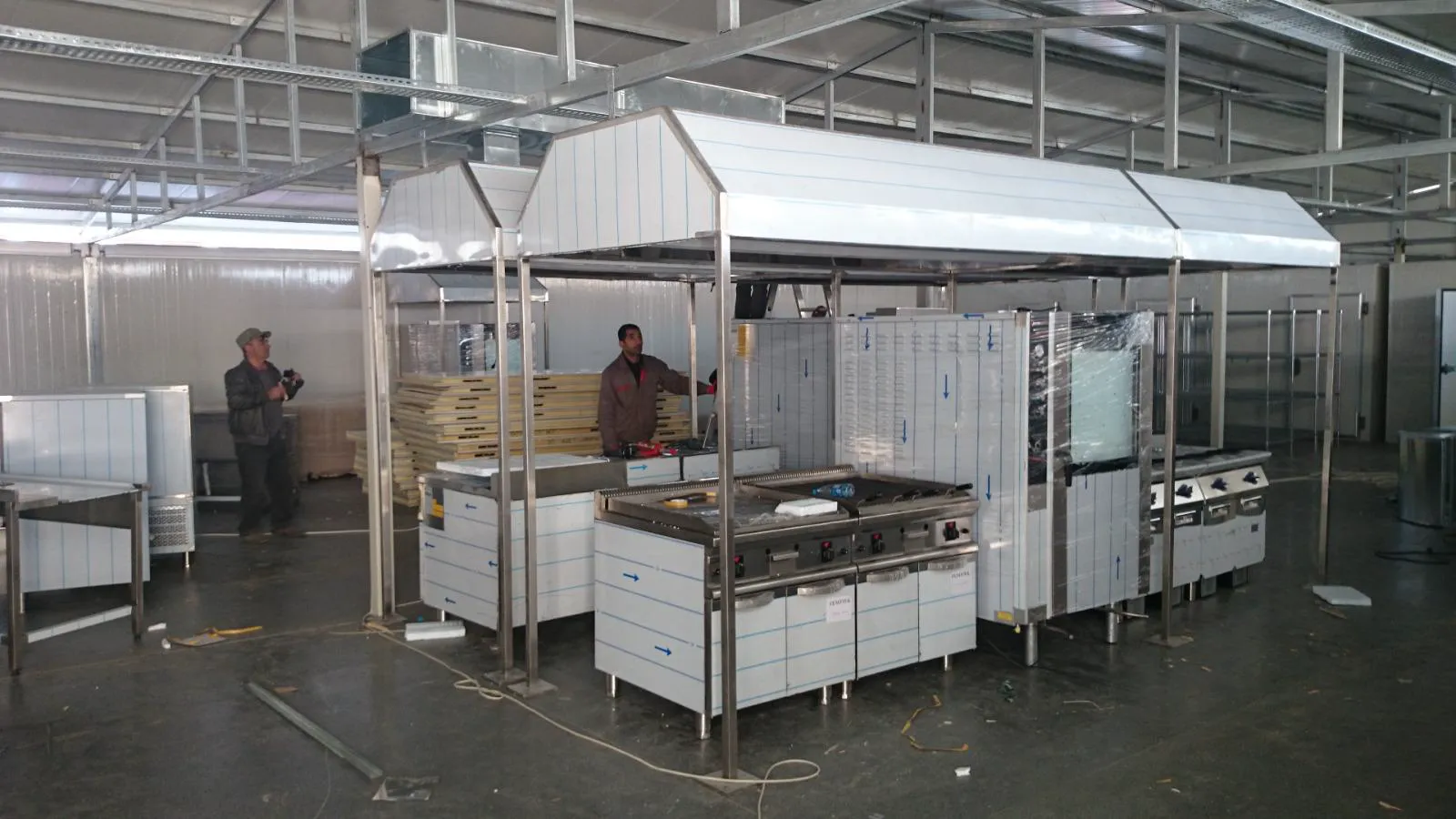
Yes, when the contractor's capabilities match the occupancy and scope. Commercial projects may involve landlord approvals, existing-building records, fire and accessibility requirements, business shutdown planning and stricter delivery or work-hour rules.

Restaurant, retail, office and industrial spaces require different specialist input. Equipment, ventilation, electrical loads and inspections should be resolved through the applicable design and approval process.

McAze coordinates suitable commercial improvement and fit-out scopes, including trade sequencing and operational handover. Project-specific consultants and licensed specialists are identified before construction commitments are made.

Contractor selection

How do you choose a general contractor in Toronto?

Compare relevant experience, written scope, references, communication, insurance, trade coordination and the approach to permits and changes. A professional contractor should explain exclusions and uncertainty rather than using a low total to hide incomplete work.

Ask who will supervise the site, how often updates are provided, how payments relate to progress and what documentation is delivered at completion. Verify licences for regulated work and do not begin permit-required construction before approvals are available.

McAze gives owners a defined process from review through handover. The goal is a buildable plan, clear decisions and accountable coordination—not simply the shortest estimate.

  • Is the scope detailed and measurable?
  • Are permits and design responsibilities assigned?
  • Are allowances and exclusions clear?
  • How are trades, inspections and changes managed?
  • What insurance and applicable qualifications are documented?
  • What is included in cleanup and handover?

Project handover

What should happen at the end of a renovation project?

The contractor and owner should review the completed scope, record remaining deficiencies and confirm which items are complete, seasonal or dependent on others. Final cleaning and removal of contractor materials should match the agreement.

Applicable inspection records, permit status, manuals, warranties, care information and owner-supplied documentation should be organized. Final payment should follow the contract and any legal holdback obligations applicable to the project; owners should obtain legal advice where needed.

McAze closes projects with a walkthrough and documented follow-up. A completed room is only one part of handover—the owner should also understand how the work was approved, operated and maintained.

Learn how Toronto closes building permits

McAze workflow

How does the McAze general contracting process work?

The process begins with the property, goals, drawings, budget, access and desired timing. McAze identifies missing decisions, approval needs, potential concealed conditions and which specialists must be involved.

The confirmed scope supports a written proposal, preliminary sequence and selection schedule. After approvals, site protection and demolition lead into rough-ins, inspections, close-up, finishes and testing in the correct order.

Owners receive structured updates and approve documented changes. The project concludes with cleanup, inspection follow-up, a deficiency review and handover information appropriate to the completed work.

  • Consultation and site review
  • Scope, drawings and approval planning
  • Written proposal and selections
  • Protection, demolition and construction
  • Trade coordination and inspections
  • Finishing, testing and deficiency review
  • Cleanup and documented handover

Service area

Where does McAze provide general contracting services?

McAze provides general contracting for suitable residential and commercial projects in Toronto and GTA communities including Vaughan, Markham, Richmond Hill, North York and Mississauga, subject to scope and availability.

Municipal approvals, condominium rules, access and building conditions differ by location. The project address is reviewed early so the proposal reflects the actual property rather than a generic renovation process.

To request an estimate, share the address, photographs, drawings if available, desired scope, target timing, finish expectations and any known permit or building-management requirements.

Frequently Asked Questions

What else do property owners ask about general contracting?

Does McAze provide written general contracting estimates?+

Yes. The proposal identifies the confirmed scope, allowances, exclusions, trade coordination, approvals, payment milestones and change process.

Can McAze coordinate permits?+

Permit preparation and coordination can be included when stated in the contract, while the property owner remains responsible for ensuring required approvals are obtained.

Does McAze hire and schedule subcontractors?+

Yes. McAze coordinates appropriate qualified trades, prerequisites, site access, inspections and handoffs within the confirmed project scope.

How are unexpected conditions handled?+

The condition is documented, options are reviewed and any material price or schedule change is approved before related work continues whenever practical.

Can McAze manage occupied-home renovations?+

Suitable projects can be phased around occupancy with defined protection, access and shutdown plans. Some scopes may require temporary relocation.

Where does McAze provide general contracting?+

McAze serves Toronto and GTA communities including Vaughan, Markham, Richmond Hill, North York and Mississauga, subject to scope and availability.

Are you planning a renovation in Toronto or the GTA?

Send McAze your address, photographs, drawings and desired scope. We will review the project's coordination, approval and construction needs and prepare a practical next step.

Get Free Estimate