McAze logo

Exterior Painting in Toronto & the GTA

Exterior Painting

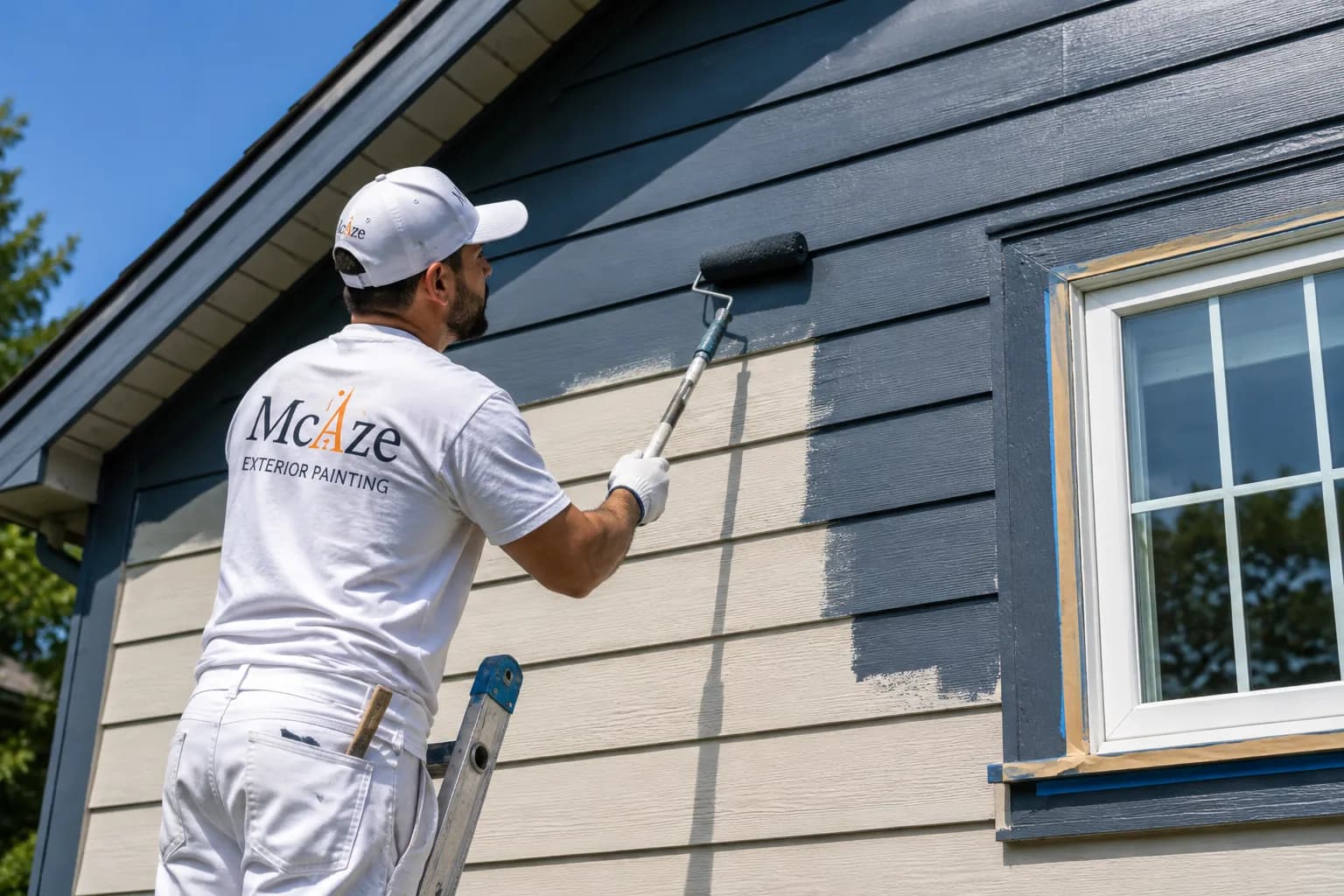
McAze plans exterior painting around Toronto weather, safe access, careful washing and preparation, compatible primers, surface-specific coatings and clean protection of the property.

Exterior Painting — McAze renovation and construction

Planning Guide

What should homeowners know before painting a house exterior?

Exterior paint is both a visible finish and part of a surface-protection system. Sun, rain, snow, freeze-thaw cycles, wind, moisture and previous repairs all affect how a coating performs. A colour change alone cannot correct rotten wood, open joints, active leaks, chalking masonry or an incompatible underlying layer.

McAze provides exterior painting and coordinated repair work across Toronto and the Greater Toronto Area. Depending on the property and confirmed scope, work can include painted siding, trim, soffits, fascia, doors, frames, railings, selected wood structures and other approved exterior components. Each material needs its own preparation, primer and coating decision.

The questions below reflect recurring Toronto exterior-painting searches and the issues that should be resolved before scheduling. They explain cost, timing, weather, preparation, surface condition, access, colour, heritage considerations and what a professional written estimate should contain.

Budget planning

How much does exterior house painting cost in Toronto?

Exterior painting cannot be priced responsibly from house floor area alone. The paintable surface, number of storeys, rooflines, access, ladders or lift requirements, landscaping, neighbouring buildings and protection all affect labour. Preparation may include washing, scraping, sanding, caulking, filling, localized carpentry, rust treatment, spot priming and disposal before finish paint begins.

Material and design complexity matter as well. Detailed trim, multiple colours, shutters, railings, doors and narrow side yards move differently from one open wall. Previously unpainted material, failing coatings, dark-to-light changes and exposed wood can require different primers or additional coats. Parking, equipment setup and public-sidewalk protection can also influence logistics.

McAze prepares a written estimate after inspecting accessible elevations and discussing the intended finish. Homeowners should compare complete scopes. A low headline price may exclude repairs, primer, upper-storey access or the preparation needed to prevent early peeling.

  • Paintable area and number of elevations
  • Storeys, rooflines and safe access
  • Existing coating and substrate condition
  • Washing, scraping, sanding and repairs
  • Primer, finish product and coat assumptions
  • Colours, trim details and doors
  • Landscaping and adjacent-surface protection
  • Parking, equipment and site restrictions

Seasonal planning

What is the best time of year for exterior painting in Toronto?

Exterior painting is scheduled around suitable conditions rather than a guaranteed calendar date. Toronto's warmer months usually provide more workable opportunities, but air temperature alone is not enough. Surface temperature, overnight lows, direct sun, humidity, wind, rain and dew can all affect application and film formation.

The selected coating determines its permitted temperature and moisture window. Some modern products are approved for cooler conditions than traditional coatings, while others need a narrower range. A wall in strong afternoon sun may be much hotter than the reported air temperature, and a shaded surface can remain damp after rain or morning dew.

McAze monitors the forecast and the actual work area before application. Weather-related adjustments are part of responsible exterior work. It is better to reschedule a coat than apply it to a wet, overheated or out-of-range surface and risk a premature failure.

Weather window

How long must exterior paint stay dry before rain or overnight dew?

There is no universal number of hours for every exterior paint. Rain resistance, recoat time and cure depend on the product, temperature, humidity, colour, film thickness and substrate. Touch-dry paint may still be vulnerable, and heavy dew can affect a coating even when the forecast shows no daytime rain.

Application should begin with a dry surface and enough suitable weather ahead for the manufacturer's instructions. Gutters, roof drainage, irrigation and condensation also matter because local water can reach the work without rainfall. Wind can carry dust, leaves or debris into a fresh film.

McAze sequences elevations and details around exposure and the expected window. Product documentation guides application rather than a generic rule. If conditions change unexpectedly, work is paused and the affected area is inspected before continuing.

Written scope

What should an exterior painting estimate include?

A useful estimate lists the elevations and components to be painted, such as siding, trim, soffits, fascia, doors, frames, railings or selected structures. It should identify washing, scraping, sanding, caulking, filling, repair assumptions, primer, paint products, colours, sheen, coat assumptions, access equipment, protection, cleanup and exclusions.

The proposal should separate painting from carpentry, water-management or specialty restoration. Rotten wood, failed flashing, loose masonry, structural movement and active leaks are not solved by coating. Areas that cannot be fully assessed from the ground should have a clear review and approval process once safe access is established.

McAze documents visible conditions and defines how additional repair will be authorized. That gives homeowners a stronger basis for comparing proposals and reduces pressure to approve unclear work after equipment is already on site.

  • Exact elevations, components and exclusions
  • Cleaning and surface-preparation method
  • Caulking, filling and repair assumptions
  • Primer and finish-coat products
  • Colours, sheen and coat expectations
  • Ladders, platforms or lift access
  • Protection, cleanup and waste handling
  • Weather delays and change approval

Condition assessment

How do you know when a house exterior needs repainting?

Common warning signs include peeling, cracking, blistering, fading, chalking, exposed wood, failed caulking, rust, open joints and repeated staining. Different elevations can age at different rates because sun, prevailing weather, roof drainage and landscaping exposure are not equal around the home.

A surface may need repair before the appearance becomes severe. Bare wood can absorb moisture, while failed joints can allow water behind trim. Conversely, ordinary colour fading does not automatically mean the substrate is damaged. The inspection should distinguish cosmetic ageing from adhesion, moisture and material problems.

McAze reviews accessible surfaces and photographs representative conditions. The resulting plan may be a complete repaint, selected elevations, trim renewal or repair-first scope depending on what the exterior actually needs.

Surface preparation

Why do exterior surfaces need washing, scraping and sanding before painting?

New paint needs a clean, sound and appropriately prepared base. Dirt, mildew-like growth, chalk, salt, grease and loose coating can interfere with adhesion. Washing removes surface contaminants, while scraping and sanding address unstable edges and help create a transition between remaining paint and exposed material.

Preparation should be controlled. Excessive pressure washing can force water behind siding, damage soft wood or leave the substrate too wet to coat. Aggressive sanding may create unnecessary dust or expose hazardous old layers. The method must suit the material, condition and surrounding property.

McAze allows the surface to dry and reassesses it after cleaning because defects can become clearer. Sound preparation is not a cosmetic extra; it is the foundation for primer and finish coats to perform as intended.

Peeling and moisture

Can peeling or blistered exterior paint simply be painted over?

Loose or blistered paint should not be buried under another finish coat. The failed material must be removed back to a sound edge, and the reason for failure should be considered. Moisture, poor preparation, incompatible products, painting a wet surface, excessive heat or movement can all contribute.

Water may enter from roofs, gutters, flashing, windows, open joints, irrigation or interior moisture movement. Paint is not a replacement for correcting drainage or damaged building components. Exposed substrate then needs preparation and a compatible primer before finish coating.

McAze defines the practical repair boundary and explains where further investigation is required. A new coat can improve and protect a stable surface, but it cannot guarantee a failing assembly that remains wet or unsound underneath.

Wood components

How should exterior wood siding and trim be prepared?

Exterior wood is inspected for softness, splitting, open joints, failed coatings, raised fasteners and moisture exposure. Sound weathered wood may need cleaning, sanding and primer, while rotten or severely damaged pieces may require replacement. Caulking is used at appropriate joints but should not block intended drainage or movement paths.

End grain, horizontal ledges and joints are particularly exposed to water. Primer and finish products must be compatible with the wood, previous coating and intended appearance. Applying a dense coating over damp wood can trap a problem rather than solve it.

McAze separates carpentry repairs from coating preparation in the scope. Once surfaces are dry and sound, exposed areas are primed as required and finish coats are applied within the product's conditions.

Masonry decisions

Should brick, concrete or stucco be painted?

Masonry materials are not interchangeable. Previously painted stucco may be a normal recoating candidate after cracks, moisture and compatibility are reviewed. Brick and concrete can have different vapour, salt and moisture behaviour, and painting a previously unpainted surface is a significant decision that can be difficult to reverse.

Efflorescence, spalling, cracks, failed mortar or active moisture should be investigated before coating. A product promoted for masonry still needs the correct substrate condition and preparation. Heritage properties may also restrict alterations to masonry or other identified attributes.

McAze does not assume every exterior surface should be painted. The existing material, history, condition and approvals are reviewed first, and specialist input may be recommended where coating could change how the assembly manages moisture.

Metal surfaces

Can exterior railings, doors and metal components be repainted?

Many metal components can be repainted when the surface and coating system are suitable. Preparation may include cleaning, removing loose coating and rust, feathering edges, treating exposed metal and applying a compatible primer. Factory finishes, galvanized metal and previously coated surfaces can require different approaches.

Rust should be assessed rather than hidden. Surface corrosion may be manageable, while section loss, loose connections or sharp edges can require repair or replacement. Door weatherstripping, hinges, latches and drainage openings must remain functional and should not be sealed with paint.

McAze reviews each component and identifies the finish expectation. Brushed, rolled and sprayed results can look different, and overspray control may make one method impractical beside vehicles, neighbours or landscaping.

Primer selection

When is primer required for exterior painting?

Primer is commonly needed on exposed wood, bare metal, repaired areas, porous surfaces, stains or substrates where adhesion and compatibility require a separate base coat. A sound previously painted surface may use a different preparation and coating plan. Spot priming and full priming are not the same scope.

The primer must be selected for the actual substrate and condition. A general-purpose product may not control tannin staining, rust or difficult existing finishes. Manufacturer instructions also define drying, topcoating and weather limits.

McAze records primer assumptions in the estimate and confirms exposed conditions after preparation. The objective is a compatible system, not automatically applying one universal primer to every material on the house.

Colour planning

How should exterior paint colours be selected?

Exterior colours should be reviewed beside fixed materials such as brick, stone, roofing, windows, doors and metalwork. Sunlight makes colours appear different from indoor samples, and large elevations can intensify undertones. Neighbouring homes and the property's architecture also influence whether a palette feels balanced.

Sample areas should be viewed at different times of day and on more than one elevation where possible. Trim and body colours need enough distinction to clarify details without creating an accidental patchwork. Dark colours can absorb more heat, which may matter for some substrates and manufacturer warranties.

McAze documents approved colour names, codes and locations before ordering. Homeowners remain responsible for final colour approval and for confirming any condominium, heritage or neighbourhood restrictions that apply to the property.

Heritage properties

Does exterior painting require a permit or heritage approval in Toronto?

Routine painting is different from structural alteration, but approval requirements depend on the property and the work. The City of Toronto states that owners of properties designated under the Ontario Heritage Act require heritage permission before changes that affect protected attributes. Some work that does not require a building permit may still require direct heritage review.

Previously unpainted masonry, changes to identified heritage materials, removal of details or broader exterior alteration should not be assumed to be ordinary maintenance. Condominium or community rules can create separate colour and contractor requirements even when municipal heritage approval is not involved.

McAze asks the owner to identify heritage or property-management status during planning. Required approvals and the exact paintable scope should be confirmed before preparation changes an exterior surface.

Review the City of Toronto Heritage Permit Guide

Safety and access

How are upper storeys and difficult exterior areas painted safely?

Exterior access is planned according to height, ground conditions, rooflines, electrical hazards, setbacks and the work duration. Ladders may suit limited tasks, while platforms, scaffolding or a lift may be more appropriate for sustained work or complex elevations. Equipment needs stable placement and clear operating space.

Tight side yards, sloped grades, decks, additions, pools, overhead wires and neighbouring property can limit access. Landscaping and outdoor furniture may need relocation or protection. Public sidewalks and shared driveways require clear planning so occupants and pedestrians are not exposed to work overhead.

McAze reviews access during the estimate and includes appropriate assumptions. If a concealed elevation or unsafe setup cannot be assessed from the ground, final access requirements are confirmed before that area proceeds.

Site protection

How are windows, roofs, vehicles and landscaping protected during painting?

Protection is matched to the application method and site. Windows, fixtures, roofing, masonry, decks and adjacent finishes may need masking or covers. Plants should not be crushed or sealed under coverings longer than necessary, and vehicles should be moved beyond the risk area before preparation or spraying.

Scraping and sanding create debris that must be contained and collected. Wash water and coating materials should not be directed into gardens or drains without consideration. Wind can carry dust and overspray farther than expected, so spraying is not automatically appropriate for every property.

McAze defines the work zone, daily cleanup and owner responsibilities before starting. Protection is removed or adjusted as conditions change so the site remains functional and the completed property is not surrounded by paint residue.

Durability

How long does exterior paint last in Toronto's climate?

No responsible contractor can promise one lifespan for every exterior. Substrate, preparation, previous coatings, product, colour, sun exposure, moisture, building movement and maintenance all affect performance. South- and west-facing elevations may weather differently from protected sides, and horizontal details often deteriorate faster than vertical walls.

Regular inspection can extend the useful life of the overall system. Open caulking, local peeling, failed gutters and exposed wood should be addressed before damage spreads. Gentle cleaning and prompt repairs are often more economical than waiting for widespread failure.

McAze focuses on documented preparation and compatible products rather than a generic longevity claim. Product warranties also have conditions and should not be confused with a guarantee that every substrate or moisture problem is covered.

Environmental considerations

What are VOC limits for exterior architectural coatings in Canada?

Architectural coatings sold in Canada are subject to federal volatile organic compound concentration limits by coating category. These regulations address product formulation and emissions; they do not replace the need to follow labels, safety data and application instructions on site.

Exterior work still requires thoughtful storage, ventilation around openings and protection from spills. Doors and windows may need to remain closed or controlled during nearby application, and occupants should be informed about specialty primers or coatings with stronger odour or handling requirements.

McAze uses products appropriate to the substrate and intended use and follows manufacturer guidance. Selection considers performance, application window and site conditions together rather than treating a single VOC number as the only quality measure.

Review Canada's architectural coating VOC regulations

Contractor selection

How do you choose an exterior painting contractor in Toronto?

Choose a contractor who inspects condition and access rather than quoting colour alone. The proposal should identify surfaces, preparation, repairs, primer, finish products, coats, access equipment, protection, exclusions and weather policy. Ask how unexpected rot, loose coating or moisture will be documented and approved.

Insurance, safety planning and communication are especially important outdoors. The contractor should explain equipment placement, neighbour protection, daily cleanup and how weather changes affect scheduling. A rushed promise to paint through marginal conditions is not a schedule advantage.

McAze connects painting to related exterior repairs and property constraints. A clear scope helps the homeowner compare the durability plan, not merely the number of litres or days in a quotation.

  • Were all elevations inspected?
  • Is preparation written clearly?
  • Are repair assumptions separated?
  • Are primer and finish products identified?
  • Is safe access equipment included?
  • How are weather delays handled?
  • What protection and cleanup are provided?
  • How are extra conditions approved?

McAze workflow

How does the McAze exterior painting process work?

The process begins with a property and surface review. McAze identifies paintable components, access, visible failures, moisture clues, protection needs and connected repair work. Colours, finish expectations and known property restrictions are discussed before the written estimate is prepared.

After approval, products, colour locations, access and the initial weather window are confirmed. The site is protected, surfaces are cleaned and allowed to dry, loose coating is removed, repairs are completed within scope and exposed areas are primed as required. Finish coats follow compatible product and weather requirements.

The final stage includes detail review, removal of protection, cleanup and a walkthrough. Coverage, edges, drips, hardware operation and affected grounds are checked. Remaining labelled paint and product information can be retained for future maintenance where practical.

  • Exterior inspection and access review
  • Written scope and colour schedule
  • Weather and product confirmation
  • Property and landscaping protection
  • Cleaning, drying and preparation
  • Primer and finish-coat application
  • Cleanup, walkthrough and maintenance notes

Service area

Where does McAze provide exterior painting services?

McAze provides exterior painting and coordinated renovation support across Toronto and the Greater Toronto Area, including Vaughan, Markham, Richmond Hill, North York, Mississauga and nearby communities, subject to project scope, access and seasonal availability.

Housing type and site layout affect planning. Detached homes may have narrow side yards or tall peaks, townhouses can involve shared boundaries, and commercial or condominium properties may require management approval and restricted work zones.

To request an estimate, provide the property location, photographs of every elevation, known leaks or repairs, paint history, desired colours, heritage or management status and preferred timing. McAze can then determine whether a site review and seasonal window are practical.

Frequently Asked Questions

What else do homeowners ask about exterior painting?

Does McAze provide a written exterior painting estimate?+

Yes. The estimate identifies included elevations and components, preparation, repair assumptions, primer, finish products, coat assumptions, access, protection and exclusions.

Can McAze repair damaged exterior wood before painting?+

Appropriate localized repairs can be included after inspection. Widespread rot, structural damage, active leakage or specialty restoration may require a separate scope or specialist assessment.

Can exterior painting proceed if rain is forecast?+

Only when the selected product, dry surface and forecast provide a suitable application and curing window. McAze pauses or reschedules coating when conditions are not appropriate.

Does McAze paint brick?+

Previously unpainted masonry is assessed carefully rather than automatically coated. Moisture behaviour, condition, reversibility and heritage requirements may make another approach or specialist advice more appropriate.

Does exterior painting require heritage approval?+

It can for designated properties or work affecting heritage attributes. Owners should confirm the property status and required City of Toronto approval before work starts.

Where does McAze provide exterior painting?+

McAze serves Toronto and GTA communities including Vaughan, Markham, Richmond Hill, North York and Mississauga, subject to scope, access and seasonal availability.

Are you planning exterior painting in Toronto or the GTA?

Tell McAze about the exterior surfaces, visible failures, access, colours and preferred timing to begin a practical scope and written estimate.

Get Free Estimate